Manténgase sano!
- Posted February 13, 2026
Toxic Chemicals Found in Popular Hair Extensions
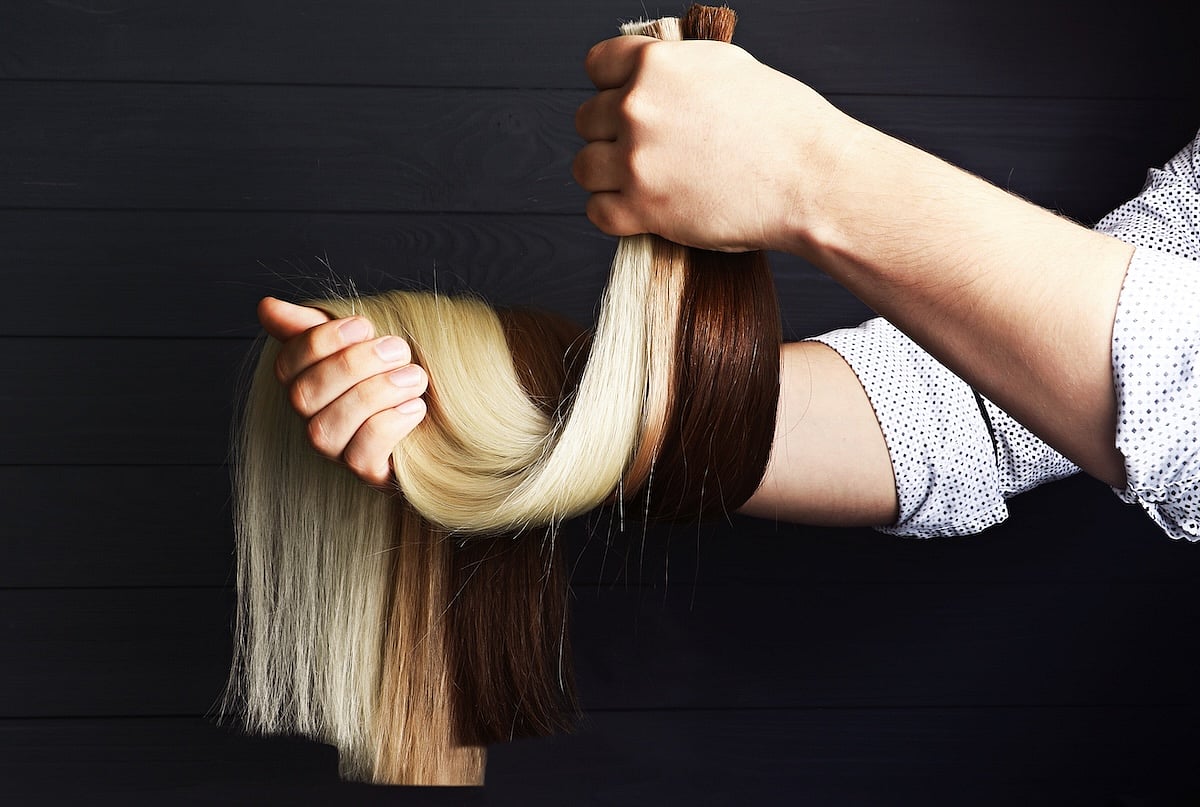
For many, hair extensions are a staple of style and convenience, but they may come with a hidden health cost.
Researchers have uncovered a wide array of hazardous chemicals in these products -- including those linked to cancer and birth defects -- marking the most comprehensive look to date at this largely unregulated industry.
The study -- published Feb. 11 in Environment & Health -- highlights a significant public health gap. While hair extensions are a multi-billion-dollar global market, there is very little oversight of what goes into the fibers.
This lack of regulation particularly affects Black women. More than 70% of Black women wore extensions in the last year, compared to less than 10% of women from other racial groups, researchers explained in background notes.
Lead author Elissia Franklin, a research scientist at the Silent Spring Institute in Newton, Massachusetts, and her team tested 43 products, ranging from synthetic plastic hair extensions to bio-based options like human hair.
Using high-resolution scanning technology, they detected more than 900 chemical signatures and successfully identified 169 specific substances.
The chemicals detected included flame retardants, phthalates, pesticides, styrene, tetrachloroethane and organotins.
In all, 2 of the 43 samples were free of hazardous chemicals. The specific products were not identified.
Among the rest, 48 of the identified chemicals appear on major health hazard lists. This included 12 substances flagged by California’s Proposition 65 for causing reproductive harm or cancer.
Nearly all samples -- even those marketed as "non-toxic" -- contained at least some hazardous materials.
“This is an industry that has long overlooked the health of Black women, who should not have to choose between cultural expression, convenience and their health,” Franklin said in a news release.
Researchers noted that these chemicals can move from the head into the bloodstream. Because extensions sit directly against the scalp and neck for weeks at a time, chemicals can be absorbed through the skin.
Furthermore, when users style their hair with heat, these toxins can be released into the air and inhaled, researchers added.
The team was particularly troubled by the discovery of organotins, often used to stabilize plastics, in nearly 10% of the samples. Many are considered toxic and regulated in areas such as the European Union.
“We were especially surprised to find organotins,” Franklin said. “These are commonly used as heat stabilizers in PVC and have been linked with skin irritation, which is a common complaint among hair extension users.”
Among 36 of the hair extension samples, the team found 17 chemicals related to breast cancer, including substances that impact key hormones related to cancer risk.
As the hair extension industry continues to grow, lawmakers are beginning to take notice.
New York and New Jersey have introduced legislation to force companies to disclose their ingredients, and a federal Safer Beauty Bill Package is under consideration in Congress.
“These findings make clear that stronger oversight is urgently needed to protect consumers and push companies to invest in making safer products,” Franklin said.
More information
The U.S. Food and Drug Administration provides resources on cosmetic safety and ingredient labeling.
SOURCES: Silent Spring Institute, news release, Feb. 11, 2026; Environment & Health, Feb. 11, 2026


